September 18, 2026
Water entering a home can create more than stains and damaged belongings. Moisture can spread into flooring, walls, insulation, and other materials, creating conditions that may affect the safety and usability of the property. Professional water damage restoration addresses these concerns by removing water, drying affected areas, evaluating damaged materials, and helping return the home to a safer condition. A prompt response can also make it easier to determine which materials remain salvageable before moisture has additional time to spread.
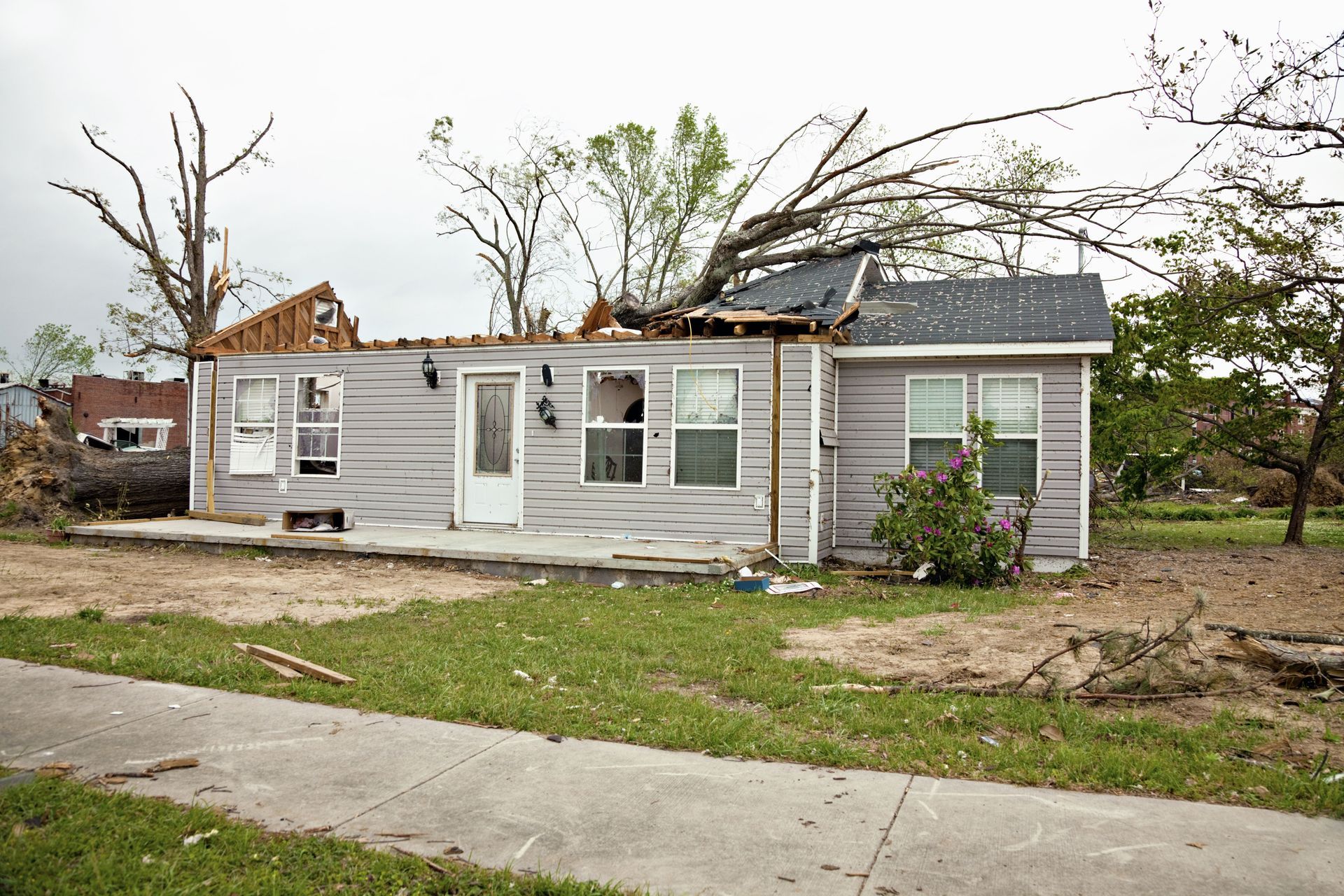
Water-related emergencies are also remarkably common. According to Ruby Home, approximately 14,000 people in the United States experience water damage every day. Whether the source is a burst pipe, appliance failure, storm, or another event, responding promptly can limit how far the problem spreads. Water may travel through adjoining rooms or penetrate materials that initially appear unaffected, making a complete professional assessment especially valuable. Here are six ways professional restoration services can help improve home safety after water damage occurs.
1. Removing Standing Water From the Home
Limiting Continued Water Exposure
Standing water can continue affecting building materials for as long as it remains inside the property. Flooring, drywall, cabinetry, and other porous materials may absorb moisture, allowing damage to extend beyond the area where the original problem occurred. Rapid removal helps limit continued exposure and creates better conditions for evaluating the full extent of the damage.
Reducing Slip and Fall Hazards
Water across floors and walkways can create dangerous conditions for occupants. Professional removal helps clear affected areas while trained technicians evaluate whether surfaces have become unstable, slippery, or otherwise unsafe following prolonged exposure.
Reaching Heavily Affected Areas
Significant water intrusion may require specialized extraction equipment. Professional water damage restoration teams have equipment designed to address larger volumes of water and evaluate areas where moisture may have traveled beyond what is immediately visible.
Preparing Areas for Drying
Removing standing water is only the beginning. Once excess water has been extracted, technicians can focus on the moisture remaining within affected materials. This transition is important because a surface that appears dry may still contain moisture underneath.
2. Drying Hidden Moisture Within Materials
Identifying Moisture Beyond the Surface
Water can move behind walls, beneath flooring, and into other concealed areas. These locations may remain damp even when visible water has disappeared. Professional assessment helps determine the extent of moisture throughout the affected portions of the property.
Reducing Prolonged Dampness
Materials that remain wet can deteriorate and create additional concerns. Controlled drying helps remove retained moisture instead of relying solely on how surfaces look or feel. This approach supports a more complete recovery after a water-related emergency. It can also help prevent homeowners from assuming an area has recovered simply because visible signs of moisture have disappeared.
Monitoring Drying Progress
Professional water damage restoration involves more than placing drying equipment and waiting. Technicians can monitor conditions throughout the process to determine whether affected materials are drying appropriately and whether additional attention is required in particular areas.
Protecting Surrounding Materials
Moisture can migrate from one material into another. Addressing affected areas promptly helps reduce the opportunity for water to spread farther into nearby flooring, walls, structural materials, or personal property.
3. Addressing Conditions That Support Mold Growth
Reducing Excess Indoor Moisture
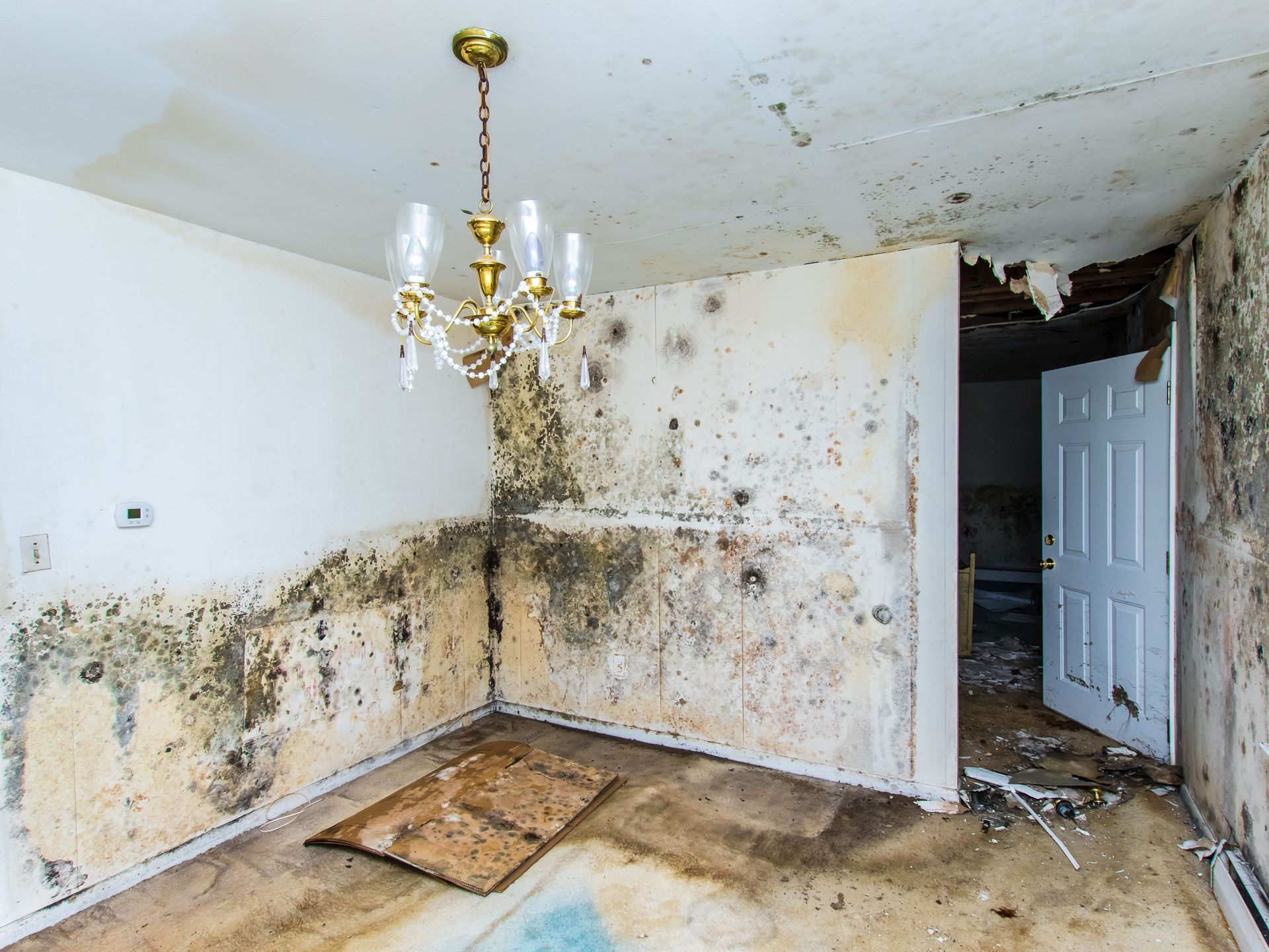
Persistent moisture can create an environment where mold may develop. Removing water and thoroughly drying affected spaces reduces the damp conditions that can contribute to microbial growth after leaks, flooding, or other water emergencies.
Evaluating Affected Building Materials
Some porous materials may be more heavily affected than others. Professional evaluation can help determine which materials may be appropriately dried and which may require removal because of their condition, contamination, or extent of damage.
Recognizing Concealed Problem Areas
Mold-related concerns are not always limited to visible surfaces. Water can reach enclosed spaces that homeowners may not easily inspect. A water damage restoration assessment considers the broader affected area rather than focusing exclusively on obvious stains.
Supporting a Healthier Environment
Restoring appropriate moisture conditions is an important part of returning the property to normal use. Addressing damp materials promptly can help homeowners avoid leaving behind hidden moisture that could create additional concerns later. A thorough response also provides greater confidence that overlooked damp areas are not continuing to affect the home's interior environment.
4. Identifying Damaged Structural Materials
Evaluating Water-Affected Components
Building materials respond differently to water exposure. Drywall can soften, wood can swell, and some flooring materials may separate or distort. Professional evaluation helps identify visible and concealed damage that may affect the condition of the home.
Recognizing Signs of Deterioration
Water damage is not always immediately obvious. Discoloration, warping, sagging, swelling, or changes in texture can indicate that materials have been affected. Determining the significance of these changes requires careful inspection.
Removing Unsalvageable Materials
When certain materials cannot be safely or effectively restored, removal may become necessary. Professional water damage restoration helps distinguish between materials that can potentially remain and those whose condition requires additional corrective work.
Supporting Safe Reconstruction
Repairs are most effective when the affected area has first been properly evaluated and dried. Addressing underlying moisture and damaged materials before reconstruction helps create better conditions for restoring walls, floors, and other portions of the home.
5. Managing Potential Contamination Concerns
Considering the Water Source
Not every water emergency presents the same conditions. Water from a clean supply line differs from water associated with sewage or certain flooding events. The source influences the precautions and restoration procedures that may be appropriate.
Reducing Contact With Contaminated Water
Some water can contain contaminants that create health concerns. Occupants should avoid unnecessary contact with questionable water and allow qualified professionals to assess the situation. Specialized protective procedures may be necessary depending on the source.
Handling Affected Materials Appropriately
Contaminated water can affect carpeting, drywall, insulation, furnishings, and other porous materials. A professional water damage restoration team can evaluate these materials and determine what handling procedures are appropriate for the circumstances.
Restoring Safer Living Conditions
Removing contaminated materials when necessary, cleaning appropriate surfaces, and drying the environment all contribute to making affected spaces suitable for normal use again. The required work depends on the category and extent of the water event.
6. Preventing Damage From Becoming More Extensive
Responding Before Conditions Worsen
Water can continue moving through a property after the initial incident. Prompt professional attention helps limit additional absorption and gives technicians an opportunity to evaluate affected areas before deterioration becomes more extensive.
Documenting the Scope of Damage
A professional evaluation provides a clearer picture of what has been affected. Understanding the scope helps establish which areas require extraction, drying, removal, cleaning, or other restoration measures rather than making assumptions based only on visible damage.
Coordinating the Restoration Process
A significant water event may involve several stages of recovery. Professional water damage restoration provides an organized approach to extraction, moisture evaluation, drying, material assessment, and restoration so important concerns are not overlooked.
Supporting Long-Term Home Safety
The goal is not simply to make a room look dry again. Proper restoration addresses conditions beneath the visible surface so homeowners can move forward with greater confidence in the condition, functionality, and safety of their property.
Water damage can create slipping hazards, hidden moisture, damaged building materials, contamination concerns, and conditions that may support mold growth. Acting quickly and relying on professional water damage restoration can help address these issues before they become more extensive. Thorough extraction, drying, evaluation, and restoration work provides a more complete response than focusing only on visible water. It also helps ensure that the recovery process considers both immediate problems and conditions that could otherwise remain concealed after the emergency.
If water has affected your home, timely professional attention can make an important difference. Contact Disaster Solutions Inc today for water damage restoration services that can help address affected areas, limit additional damage, and restore a safer, more comfortable living environment.