August 1, 2026
Navigating the aftermath of a catastrophic event such as water, fire, or storm damage can leave property owners feeling completely overwhelmed by the sheer scale of destruction. Professional services play an essential role in mitigating the physical, emotional, and financial strain that typically accompanies these sudden disasters. The principal goal of these specialists is to return a compromised building back to its original condition through a wide series of technical interventions. Given how complex structural degradation can be, relying on trained experts has become necessary to ensure a smooth recovery process.
Property owners face unique challenges depending on whether they are dealing with lingering smoke, invasive biological growth, or sudden structural compromises. Having a clear understanding of what happens during the structural recovery process empowers individuals to make informed decisions for their properties. Engaging a skilled restoration service early on prevents minor structural issues from compounding into irreversible losses over time. Dedicated emergency response teams remain available around the clock to provide immediate guidance and deploy personnel directly to affected properties.
Assessing Structural Threats and Moisture Intrusion
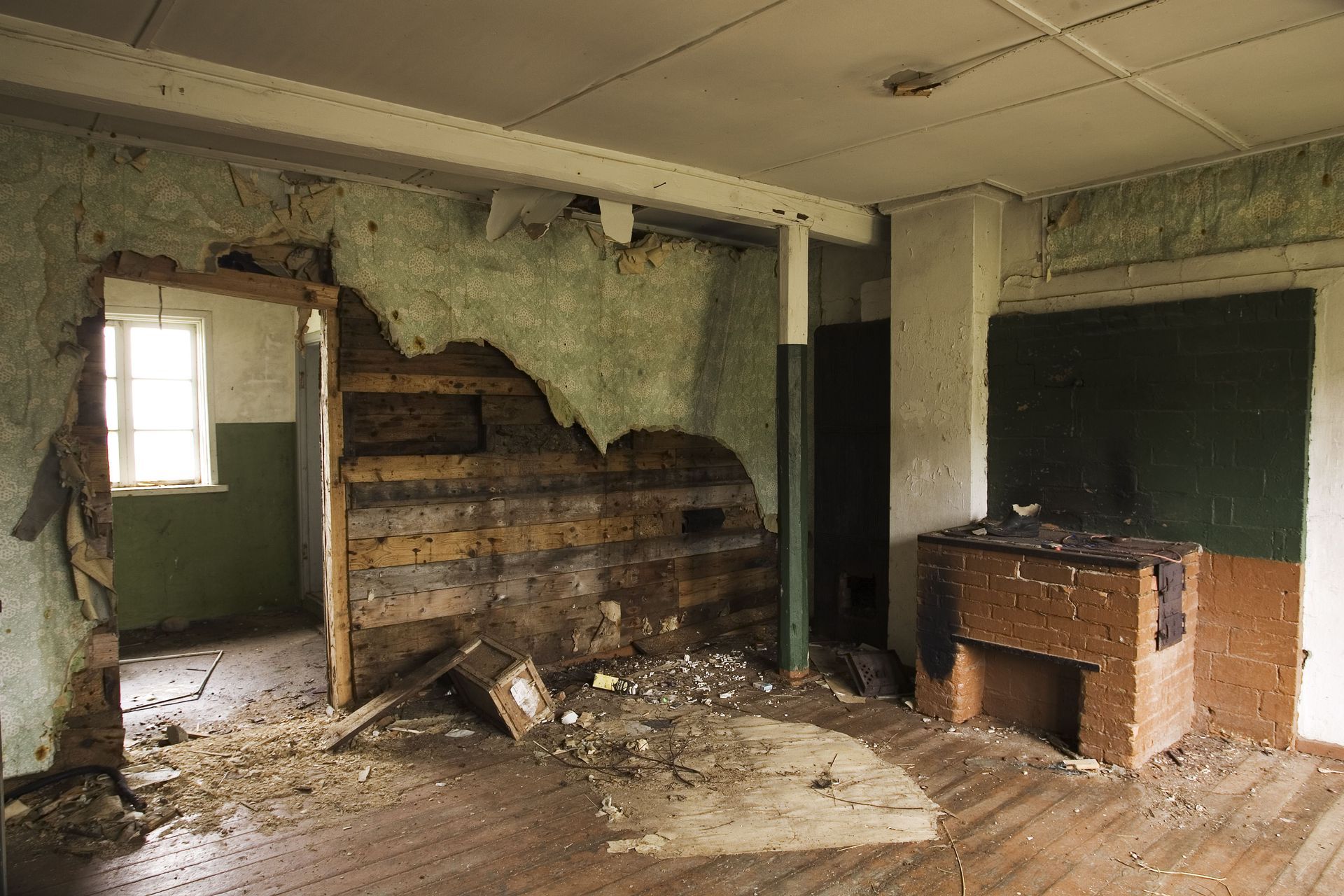
Water damage can affect a property in numerous ways, often leading to structural deterioration if not addressed promptly. Common causes include leaking pipes, severe weather, or appliance malfunctions, which allow moisture to seep deeply into subfloors, drywall, and structural framing. The presence of hidden moisture promotes rapid mold growth and can significantly weaken wooden structures, compromise electrical systems, and ruin internal insulation. Immediate attention from experienced technicians is vital to mitigate these severe long-term effects before structural integrity is permanently compromised.
Rapid fluid removal and thorough thermal drying are strictly necessary to prevent further complications from taking root within the building envelope. Professionals utilize specialized detection equipment, such as thermal imaging cameras and moisture meters, to identify exact wet zones hiding behind finished surfaces. By executing targeted extraction routines, experts successfully stabilize the indoor environment and prevent secondary structural failures. Entrusting these critical steps to a qualified restoration service ensures that every drop of hidden moisture is thoroughly accounted for and safely eliminated. Advanced monitoring techniques guarantee that all subflooring and framing components reach optimal dry standards before cosmetic repairs begin.
Managing Fire Consequences and Soot Infiltration
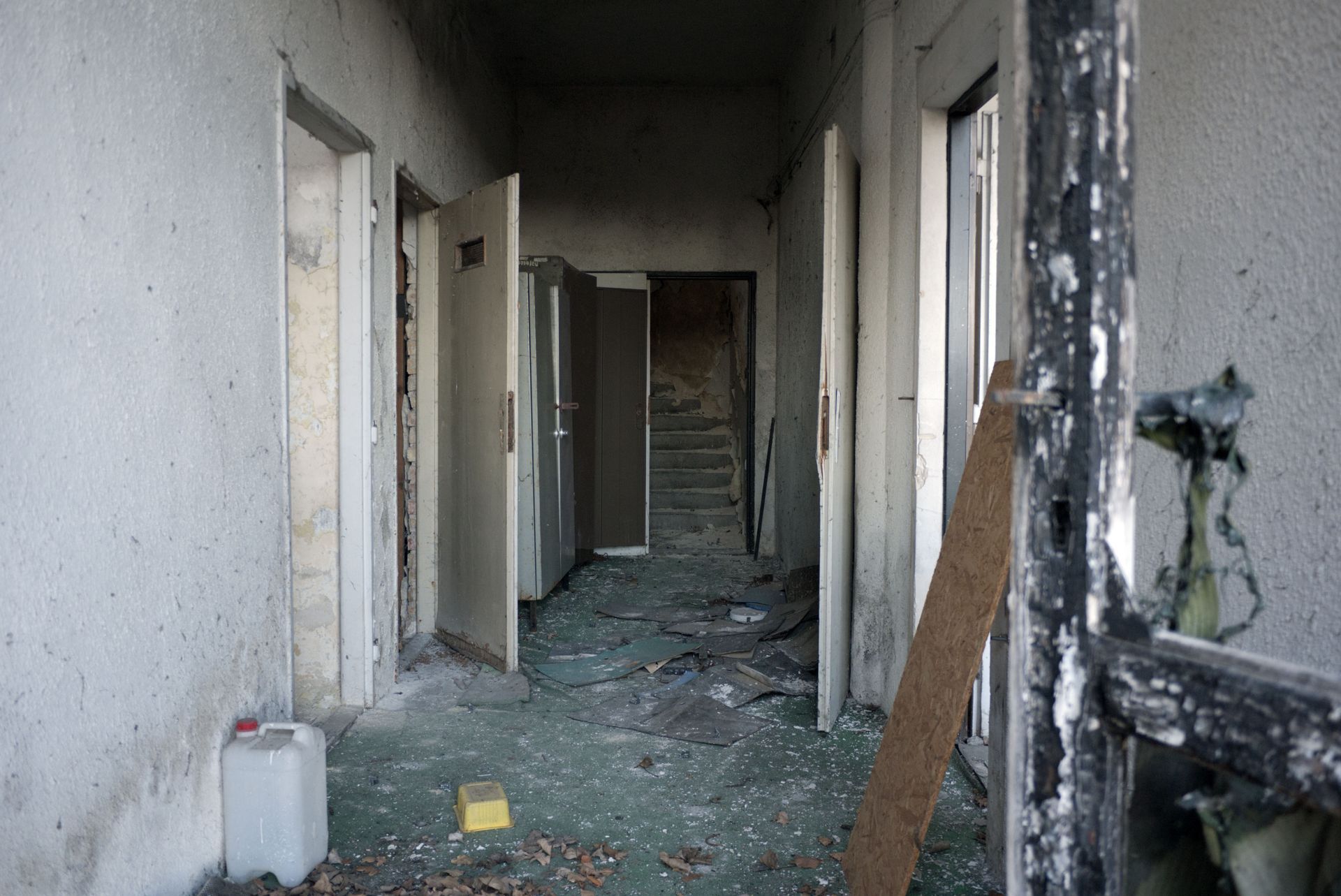
Fire damage is one of the most devastating types of property disasters, causing both visible structural collapse and hidden interior destruction. Beyond the initial flames, dense smoke and acidic soot can infiltrate inner wall cavities, upholstered furniture, and complex HVAC ductwork. The chemical makeup of soot causes it to corrode metals and permanently stain porous surfaces if specialized cleaning is not performed right away. Certified restoration technicians offer comprehensive deep-cleaning solutions and thermal fogging procedures designed to eliminate stubborn smoke odors and toxic air particles.
These technicians work diligently to guarantee complete structural safety post-fire and actively direct the reconstruction of severely compromised building sections. Protecting non-impacted areas of the home requires immediate isolation techniques, including physical air barriers and negative air pressure systems. Once the property is fully stabilized, teams carefully remove charred materials and clean salvagable items using advanced ultrasonic equipment. Engaging a professional restoration service early in this process helps protect valuable physical assets and accelerates the timeline for full building reoccupancy. Prompt soot neutralization prevents permanently etched surfaces and preserves delicate structural finishes throughout the entire property.
Handling Biological Contaminants and Hazardous Spills
Biohazard damage involves complex environmental situations that pose immediate risks to human health, including chemical spills, sewage backups, and crime scene residues. Such incidents require strict specialized handling due to the presence of dangerous pathogens, infectious bacteria, and volatile organic compounds. Certified teams trained in biological cleanup protocols ensure the safe removal, containment, and regulatory disposal of hazardous materials. Detailed decontamination procedures, surface scrubbing, and medical-grade sanitization are essential to returning the interior space to a completely safe and habitable state.
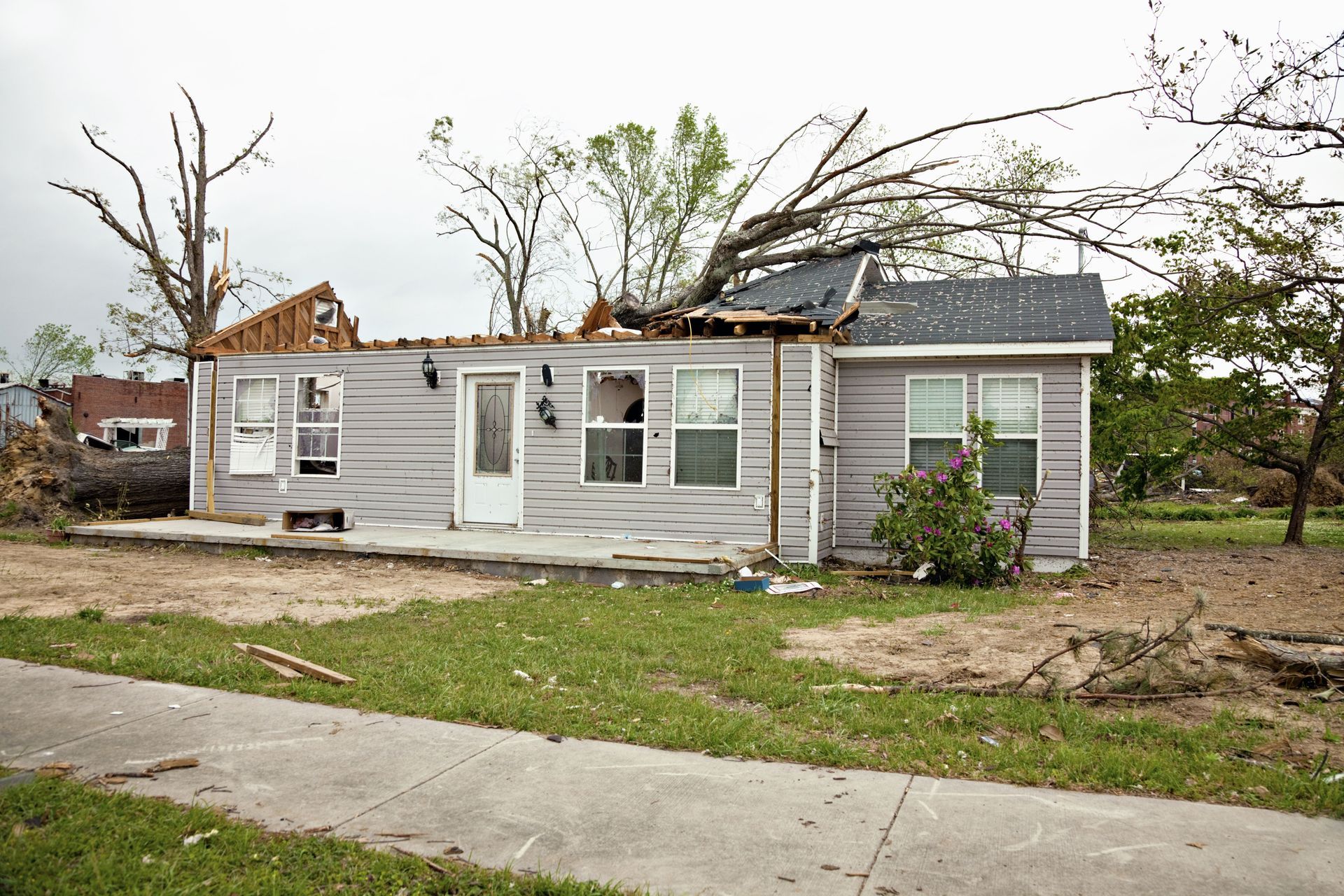
Adhering strictly to regional health regulations, these specialized units protect both the physical property and its human occupants throughout the entire remediation timeline. Storms and floods can cause extensive damage in a short period, affecting everything from rooftops to basements. According to IBISWorld, there are over 109k roofing contractor businesses across the US, indicating the high demand for roof repair and maintenance post-storms. Immediate responses include water extraction and addressing structural breaches, ensuring that biological contamination from floodwaters does not compromise the home environment long-term. Rigorous containment barriers prevent airborne pollutants and pathogens from spreading into untouched regions of the structure during deep cleaning.
Implementing Technical Remediation Strategies
A proper recovery plan outlines the systematic steps necessary to return a damaged building to its original condition without unnecessary delays. These technical strategies detail explicit repair timelines, required mechanical resources, and continuous moisture monitoring processes to guarantee steady progress. Collaboration with licensed contractors, structural engineers, and insurance adjusters is often required to streamline overall field operations. Dedicated teams coordinate every mechanical aspect of the recovery process, effectively minimizing daily operational disruptions for property owners during stressful periods.
To achieve consistent results, field technicians utilize heavy-duty equipment specifically designed for large-scale structural recovery. Industrial-grade dehumidifiers, high-velocity air movers, and HEPA-filtered air scrubbers form the core tools used during structural drying and decontamination. Skilled operators apply proven remediation methods to address complex structural challenges, drastically reducing the likelihood of recurring problems down the road. Deploying a well-equipped restoration service guarantees that advanced cleanup technology is applied effectively, ensuring a swift, safe, and sustainable structural recovery. Continuous air sampling confirms that dangerous particles and excess moisture are systematically extracted from the environment throughout the remediation phase.
Selecting Qualified Industry Professionals
Selecting a reputable service provider requires a careful evaluation of official industry credentials, field certifications, and licensing history. Highly qualified recovery professionals hold specialized certifications from recognized bodies, reflecting extensive hands-on training and technical competence. Verifying a company's licensure and insurance coverage is essential for protecting property owners against unexpected liabilities during major repair projects. Industry associations set rigorous standards for work quality, safety protocols, and operational ethics that members must consistently maintain on every job site.
Beyond basic licensing, analyzing verified customer feedback and emergency response capabilities offers deeper insight into a company's overall reliability. Evaluating a team's track record for rapid arrival times during critical emergencies, such as sudden flooding or midnight fires, is vital for minimizing overall destruction. Obtaining transparent, itemized cost estimates and thoroughly reviewing contract terms helps prevent unexpected financial surprises during the project. Choosing a fully certified restoration service offers peace of mind, confirming that trained specialists are managing every technical detail of your structural recovery. Establishing clear communication channels with project leaders helps streamline structural documentation and accelerates the overall insurance approval process.
Restoration services are integral to effectively recovering from various types of property damage, offering specialized methods and professional expertise to ensure comprehensive recovery. Understanding the processes involved in water, fire, mold, and other damage restorations highlights the necessity of engaging skilled professionals. From immediate responses to long-term prevention strategies, their role encompasses more than just repairs, focusing on the safety and well-being of occupants. As property owners navigate the aftermath of damage, selecting the right team ensures a smooth, efficient, and thorough recovery. Emphasizing the importance of professional assistance underscores their value in fostering resilient, safe, and restored homes. Decisive action taken immediately following structural damage drastically decreases long-term restoration costs and prevents secondary degradation. If your property has recently suffered unexpected damage, reach out to Disaster Solutions Inc today to partner with a trusted
restoration service and begin your complete recovery process immediately.