July 31, 2026
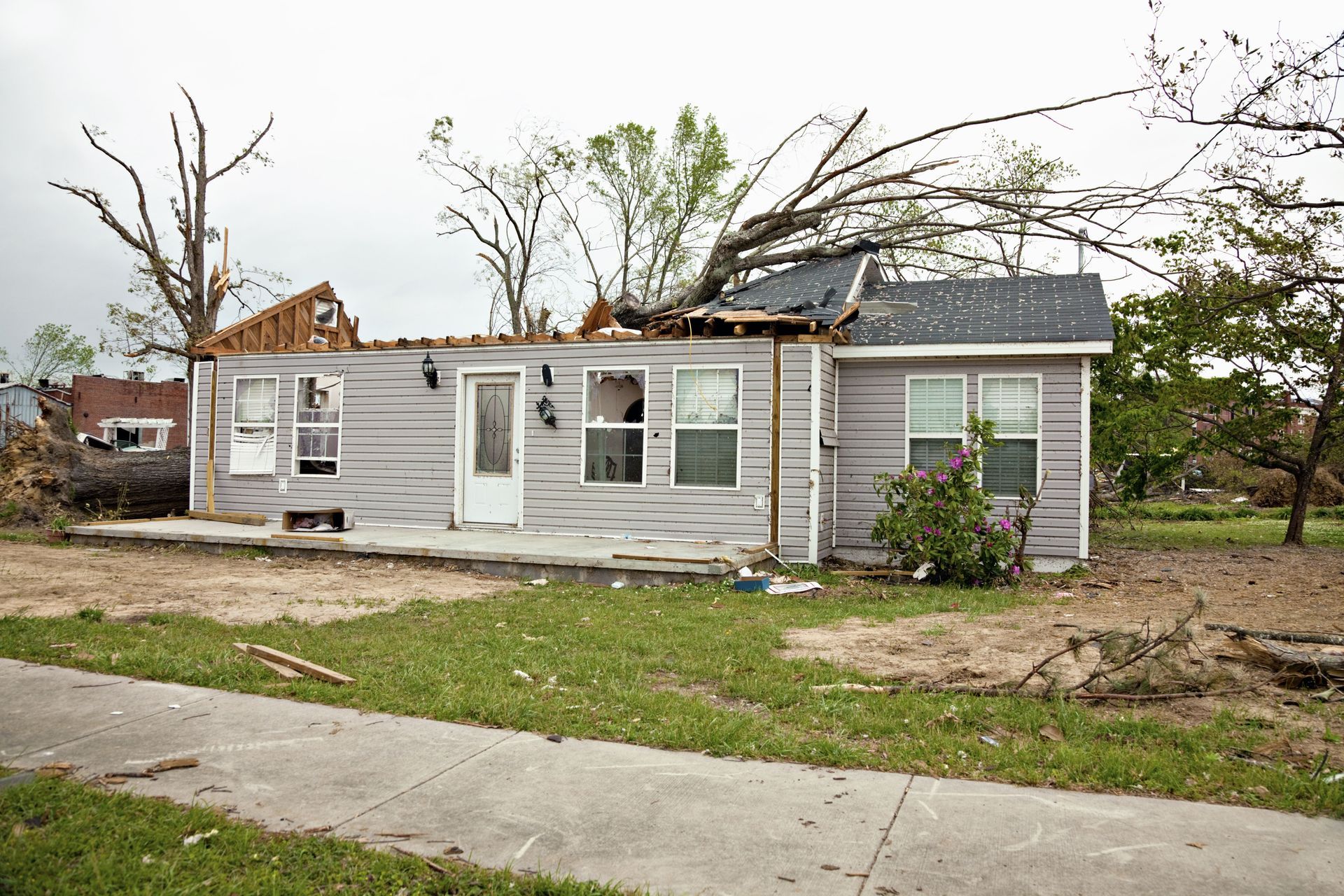
Sudden storms can leave a home vulnerable within minutes. High winds may lift shingles, hail can fracture roofing materials, and falling branches can puncture the roof deck. Even when the damage appears minor from the ground, small openings can allow rainwater to enter the attic, insulation, walls, and ceilings. Homeowners may not immediately know how serious the problem is or what steps they should take first.
An emergency roofing contractor provides rapid support when time matters most. Instead of waiting days for a standard appointment, homeowners can receive an urgent inspection, temporary protection, and a clear plan for repairs. Fast professional attention can reduce property damage, protect household safety, and prevent a manageable roofing issue from becoming a much larger restoration project.
Responding Quickly to Visible Damage
After a severe storm, quick action can make a significant difference in the condition of a home. Missing shingles, exposed underlayment, damaged flashing, and punctures can leave the interior open to additional rainfall. An emergency roofing contractor can assess these problems promptly and determine which areas require immediate attention.
Rapid response is especially important when another round of bad weather is expected. Temporary coverings, emergency patches, and secured materials can help limit further exposure until permanent repairs are possible. These measures are not intended to replace complete restoration, but they can protect the structure during a critical period.
Homeowners should avoid climbing onto a wet or unstable roof themselves. Storm-damaged surfaces may be slippery, weakened, or covered with loose debris. Professional crews have the equipment and experience needed to inspect hazardous areas more safely while identifying urgent concerns that may not be visible from the yard.
Preventing Water From Spreading
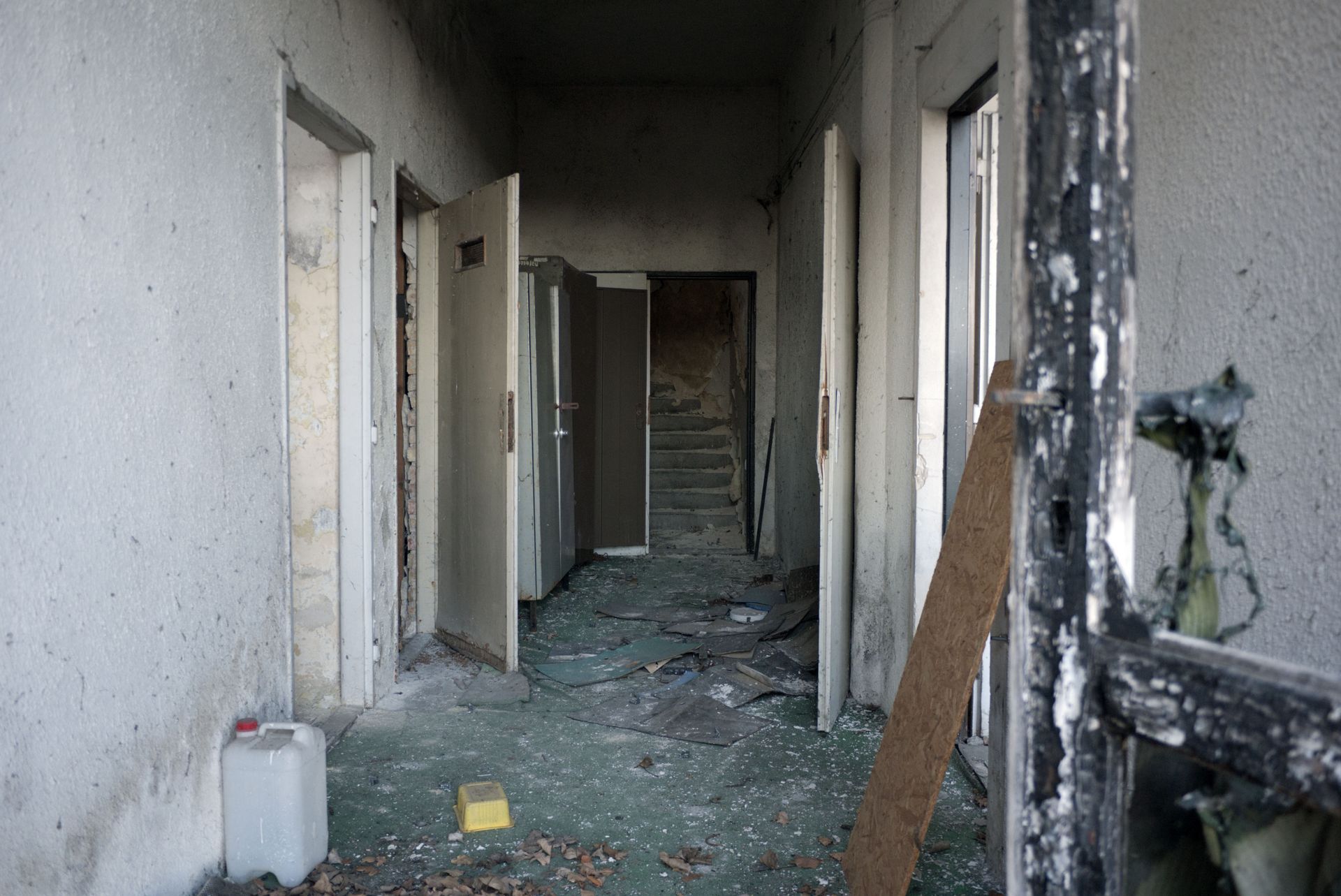
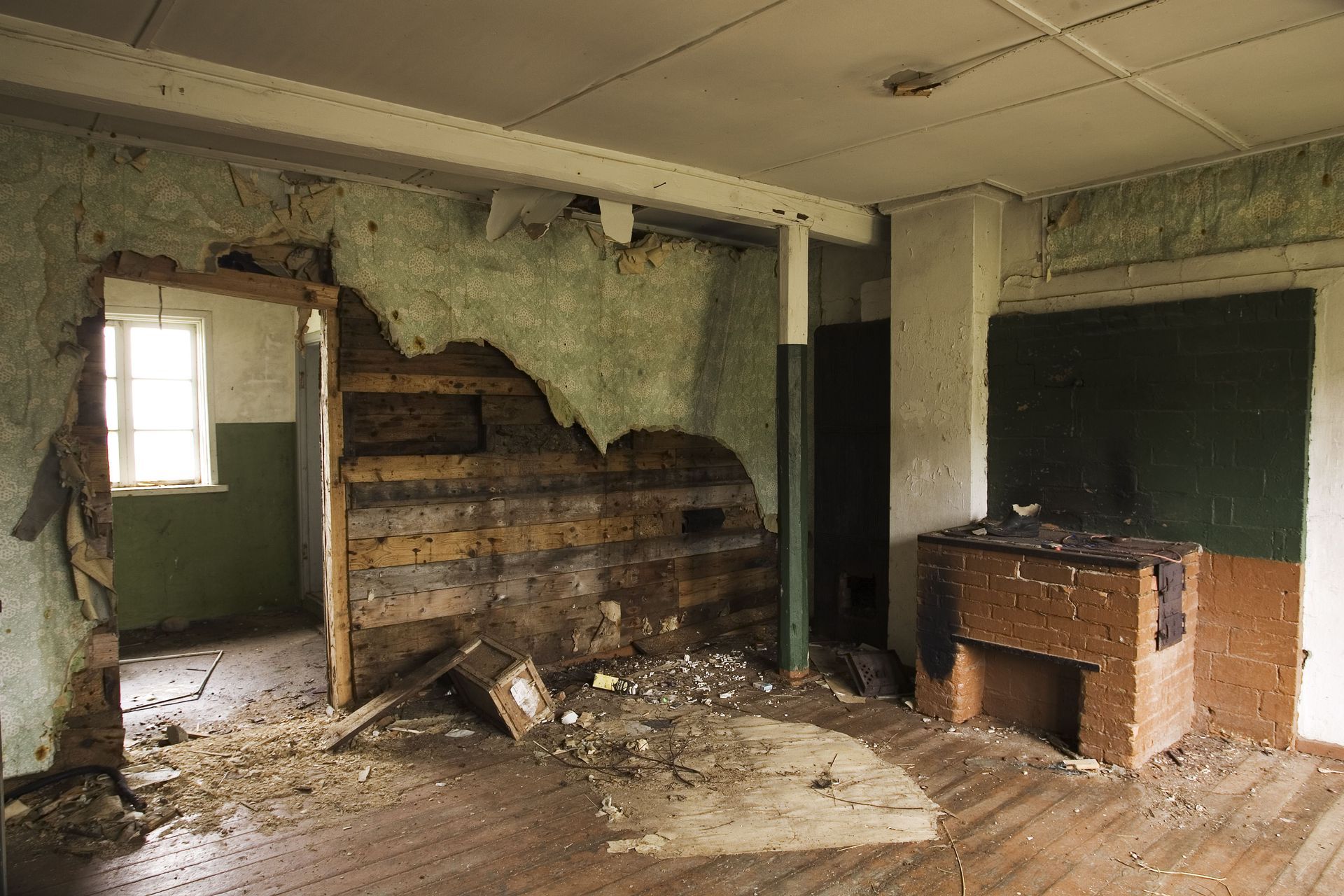
Water intrusion is one of the most serious consequences of sudden roof damage. Once moisture passes through the roofing system, it can soak insulation, stain ceilings, damage drywall, and affect flooring or electrical components. According to RubyHome, approximately 1.6% of homes nationwide experience water damage in any given year. Storm-related roof openings can increase that risk when they are not addressed quickly.
An
emergency roofing contractor can locate likely entry points and take steps to slow or stop active leaks. The source of a ceiling stain may not be directly above the visible mark because water can travel along rafters, decking, pipes, and other structural components. A professional inspection helps trace the moisture path instead of focusing only on the most obvious interior symptom.
Early intervention may also reduce the likelihood of mold growth and wood deterioration. Wet materials can become more difficult and expensive to restore when moisture remains trapped for an extended period. By limiting additional water entry, emergency service helps create better conditions for drying, cleanup, and permanent repairs.
Identifying Hidden Roofing Problems
Storm damage is not always easy to recognize. Hail may create small impact marks that weaken shingles without producing an immediate leak. Wind can loosen fasteners, lift flashing, or break adhesive seals while leaving materials in place. Tree limbs may damage decking beneath the surface even when the outer roof covering appears mostly intact.
An emergency roofing contractor evaluates more than the visible exterior. The inspection may include shingles, flashing, vents, gutters, roof edges, attic spaces, and interior ceilings. This broader review can reveal concealed damage that might otherwise remain unnoticed until the next heavy rain.
Professional documentation can also help homeowners understand the difference between cosmetic wear and functional damage. A qualified assessment explains which components can be repaired, which materials may need replacement, and whether the roofing system remains structurally sound. Clear findings allow the homeowner to make informed decisions instead of relying on guesswork during a stressful situation.
Protecting the Insurance Claim
Storm-related roof repairs may involve a homeowners insurance claim, and accurate documentation can support that process. Photographs, written observations, measurements, and repair estimates provide a record of the conditions found after the storm. An emergency roofing contractor can document damaged areas before temporary repairs conceal or alter some of the evidence.
Timely reporting is also important because insurance policies may require homeowners to take reasonable steps to prevent additional damage. Leaving an exposed roof untreated could complicate a claim if avoidable water intrusion occurs later. Emergency tarping or temporary patching demonstrates that the homeowner acted to protect the property while waiting for the claim review and permanent work.
The roofing contractor does not determine whether the insurer will approve coverage. However, organized documentation and a detailed scope of work can make communication clearer among the homeowner, adjuster, and repair team. This coordination may reduce confusion about the extent of the damage and the repairs needed to restore the roof.
Coordinating Safe Temporary Repairs
Temporary repairs must be completed carefully to avoid creating new problems. Improperly placed tarps can tear, trap water, loosen in high winds, or damage roofing materials. Quick fixes using unsuitable adhesives or fasteners may also interfere with future repairs. An emergency roofing contractor can select temporary methods that match the roof’s condition and the expected weather.
The contractor can also help coordinate related safety concerns. A damaged roof may be connected to fallen branches, loose gutters, unstable siding, wet insulation, or compromised electrical areas. When necessary, the roofing team can recommend that homeowners contact tree removal specialists, electricians, water mitigation crews, or other professionals before entering affected spaces.
This organized response is valuable after widespread storms, when homeowners may receive conflicting advice or feel pressured to approve immediate work. A reputable contractor should explain the purpose of temporary measures, outline the next steps, and provide written information about the proposed repairs. Homeowners can then move forward with a clearer understanding of priorities and costs.
Restoring Long-Term Roof Performance
Emergency service is only the first stage of recovery. Once the property is protected and the damage is documented, the next goal is to restore the roofing system’s long-term performance. Repairs may involve replacing shingles, rebuilding damaged decking, correcting flashing, sealing penetrations, or restoring gutters and ventilation components.
An emergency roofing contractor can develop a repair plan based on the roof’s age, material, storm exposure, and overall condition. In some cases, a focused repair may be enough. In others, widespread damage or an aging roofing system may make partial or full replacement more practical. The contractor should explain the available options without assuming that every storm requires the same solution.
Proper restoration helps preserve weather resistance, drainage, ventilation, and structural protection. It can also reduce the chance of recurring leaks caused by incomplete repairs. Homeowners benefit from keeping invoices, inspection records, warranties, and photographs after the work is complete, as these materials may be useful for future maintenance or insurance questions.
Sudden storm damage can be overwhelming, but a prompt and organized response gives homeowners greater control over the situation. An emergency roofing contractor helps secure exposed areas, identify hidden problems, limit water intrusion, document damage, and plan lasting repairs. Professional assistance also reduces the need for homeowners to place themselves in danger while trying to inspect an unstable roof.
The sooner damaged roofing is evaluated, the easier it may be to prevent additional harm to the home’s interior and structure. Emergency service provides an important bridge between the storm and the complete restoration process, helping protect the property while informed decisions are made. Call Disaster Solutions Inc. today to schedule your emergency roofing service.